
Mastering The Art of Interior Design: Scandinavian (Scandi)

A bright home doesn’t happen by accident, especially if the rooms face north, the windows are small, or the walls feel a little gloomy by 3 p.m. That’s where Scandinavian style earns its reputation. It’s calm, practical, warm, and clean without feeling bare.
Scandi interiors look simple at first glance, but the best ones are carefully layered. They use pale wood, soft color, cozy textiles, warm lighting, and furniture that actually makes daily life easier. The result is that “I could live here” feeling, not a room that looks staged and untouchable.
If you’re starting fresh in a new home, updating a room before moving in, or trying to make a darker space feel lighter, Scandinavian Scandi Design is one of the most forgiving styles to work with.
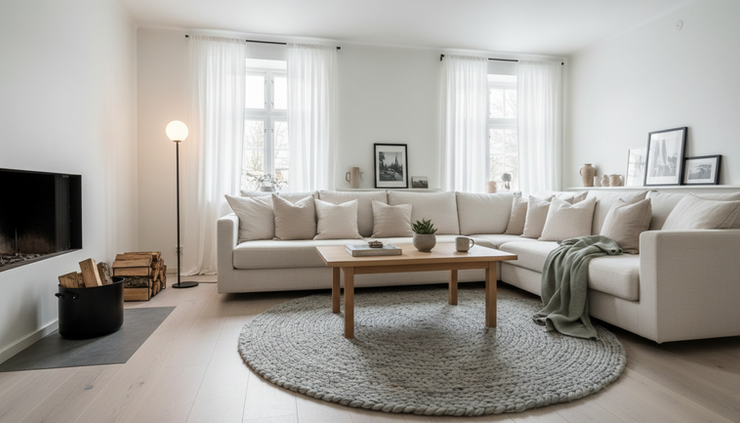
Scandinavian style began as practical design for real life
Scandinavian design grew out of the Nordic countries, Denmark, Finland, Iceland, Norway, and Sweden. It became especially recognized in the 1950s, around the same time modernist design was gaining attention across Europe.
The idea wasn’t to create rooms that felt cold or elite. It was almost the opposite. Nordic winters are long, dark, and cold, so homes needed to feel bright, warm, and uplifting. Designers focused on pieces that were beautiful, useful, and affordable enough for everyday people.
That mix still defines the style today.
Scandi design usually avoids heavy ornament, glossy drama, and clutter. Instead, it favors:
Clean-lined furniture
Pale wood
Airy layouts
Natural materials
Soft, muted color
Practical storage
Warm, layered lighting
It also has a close link to hygge, the Danish idea of coziness, comfort, and easy togetherness. Hygge isn’t a decorating checklist. It’s the mood you get from a soft blanket, a warm lamp, a good chair, and a room that invites people to settle in.
That’s why Scandi rooms don’t feel like empty white boxes when they’re done well. They feel clear, relaxed, and human.
Why Scandi works so well in American homes
Scandinavian style has become popular across North America, Europe, and Australia. Brands like IKEA helped make it familiar, but the appeal goes beyond flat-pack furniture. The style solves a lot of common home problems.
Many homes need more light. Some need better storage. Some need furniture that works for kids, pets, guests, and weeknight dinners without looking chaotic. Scandi design handles all of that in a quiet way.
It works especially well in:
Starter homes that need a clean, flexible foundation
Condos and apartments where space is limited
North-facing rooms that don’t get much direct sun
Older homes with small windows
Family rooms that need comfort and durability
Bedrooms that should feel calm instead of crowded
The big reason it travels so well is that it’s adaptable. You don’t need a Nordic cabin or a perfect modern house. A 1950s ranch, a new-build townhouse, a small city apartment, or a suburban family home can all borrow from the style.
The key is restraint. Scandi design doesn’t ask every piece to shout. It asks every piece to earn its place.
Start with a bright base and let the room breathe
The easiest way to get the Scandi look is to begin with a light backdrop. White walls are common because they bounce natural light around the room. In a dark space, that can make a real difference.
Crisp white is classic, but it doesn’t have to feel stark. Look for whites with a soft or warm undertone if the room gets cool light. If pure white feels too sharp, try warm off-white, pale greige, or a barely-there stone shade.
Keep the base simple:
White or warm white walls
Light wood floors or pale area rugs
Simple window treatments
Minimal visual clutter
Furniture with visible legs to create airflow
This is where many people stop too early. A white sofa, white walls, and a pale floor might look clean, but it can also feel flat. The comfort comes from what you layer in next.
Think of the room as a quiet background first. Then add depth through texture, shape, and small touches of color.

Choose pale wood for warmth without heaviness
Wood is one of the clearest markers of Scandinavian style. Not dark, glossy wood. Think pale, matte, natural wood that keeps the room feeling light.
Common choices include:
Pine
Beech
Ash
Birch
Light oak
These woods show up on floors, dining tables, chairs, shelving, wall slats, benches, and bed frames. They add warmth without making the space feel heavy.
If your home already has darker wood floors or cabinets, you don’t need to rip everything out. Balance them with lighter elements. A cream rug, white walls, pale oak furniture, and soft linen curtains can shift the room toward a Scandi feeling.
For new homeowners choosing finishes, pale wood floors are a strong starting point. They hide some dust better than dark floors, reflect more light, and pair easily with simple furniture.
A good rule is to keep wood finishes related, not perfectly matched. A pale ash table can sit near light oak shelves. A pine bench can pair with a beech chair. If everything matches exactly, the room can feel like a showroom. Slight variation feels more natural.
Use color like nature does
Scandi rooms are known for white, but they’re not colorless. The palette usually comes from nature, especially northern landscapes.
Soft colors work best:
Color family | How to use it |
Sage green | Throw pillows, painted cabinets, bedding, or a small accent chair |
Icy blue | Artwork, glassware, blankets, or a bedroom wall |
Blush pink | Linen cushions, ceramics, or a subtle rug pattern |
Warm stone gray | Sofas, curtains, rugs, or upholstered beds |
Soft clay | Pottery, lamps, art, or small decor pieces |
Charcoal black | Lighting, cabinet pulls, picture frames, or chair legs |
The trick is to keep most colors muted. If a shade looks like it could be found in moss, snow, fog, stone, sand, or a winter sky, it will probably work.
Black also matters, but use it sparingly. A thin black floor lamp, matte black cabinet hardware, or a simple black picture frame can anchor a pale room. Too much black changes the mood and pulls the room away from that soft Nordic feeling.
A room can feel more pulled together if colors repeat in small ways. For example, a sage pillow, a green-gray art print, and a plant on a shelf can make the palette feel intentional without being matchy.
Layer texture so minimalism feels cozy
Layering is what separates Scandi from pure minimalism. A minimalist room might remove everything until only the essentials remain. A Scandi room still edits carefully, but it adds comfort back in.
The best layers are touchable and practical.
Try mixing:
Wool throws
Linen curtains
Cotton bedding
Sheepskin-style rugs or chair pads
Woven baskets
Jute or wool rugs
Matte ceramics
Bouclé or textured upholstery
Knitted cushions
The goal is warmth, not clutter. A sofa might have two linen pillows, one textured cushion, and a wool throw. A bedroom might have crisp cotton sheets, a quilt, a blanket folded at the end of the bed, and one soft rug underfoot.
Texture also helps when the palette is quiet. If the room is mostly white, beige, and pale wood, woven fibers and soft fabrics keep it from feeling plain.

Pick furniture that looks good and works hard
Scandinavian design has always valued function. The furniture should be comfortable, useful, and easy to live with.
The iconic Wishbone chair, designed by Hans Wegner, is a great example. It’s sculptural but not fussy. It has a clear shape, natural materials, and everyday usefulness. You don’t need the original version to get the feeling, but that mix of beauty and practicality is worth copying.
Look for furniture with:
Clean lines
Softly rounded corners
Slim legs
Visible wood grain
Comfortable cushions
Simple silhouettes
Hidden or open storage
Deeply cushioned sofas work beautifully in Scandi rooms, especially in warm white, oatmeal, gray, or soft beige. Trestle tables are another natural fit because they feel casual, sturdy, and unfussy. Open shelving can also work well, as long as it’s edited.
For storage, think simple and honest. A light wood sideboard, a slim entry bench with baskets, or built-in shelves painted the same color as the wall can keep daily mess under control.
This is where interior design gets practical. The prettiest room won’t feel good if there’s nowhere to put shoes, blankets, toys, mail, books, or pet supplies. Scandi style makes room for real life, but it gives everything a calm place to land.
Make lighting warm, soft, and layered
Lighting can make or break a Scandi room. Since the style comes from places with long dark winters, lighting is never an afterthought.
You want more than one overhead fixture. Aim for layers:
Ceiling light for general brightness
Floor lamp near seating
Table lamp on a sideboard or nightstand
Wall sconce in a hallway or reading nook
Candles or flameless candles for evening warmth
Choose warm white bulbs instead of cool blue-toned ones. Cool lighting can make white walls feel sterile. Warm lighting brings out the softness in wood, fabric, and paint.
Lampshades matter too. Linen, paper, rattan, opal glass, and matte metal are all good choices. Keep shapes simple. A rice paper pendant, a black reading lamp, or a small ceramic table lamp can feel very Scandi without trying too hard.
If a room has limited windows, place mirrors carefully. A mirror across from or near a window can help move light through the space. Just avoid hanging one where it reflects clutter, blank darkness, or an awkward corner.
Keep decor simple, personal, and useful
Scandi decor works best when it feels collected slowly. Skip large piles of accessories. Choose fewer pieces with better texture, shape, or meaning.
Good decor choices include:
A stack of books on a coffee table
Handmade-looking ceramics
Framed black-and-white photography
Simple line drawings
Wood bowls
Woven baskets
Glass vases
Small plants
Quiet landscape art
Plants are especially helpful because they add life to pale rooms. Choose simple planters in ceramic, terracotta, warm white, stone, or matte black. A trailing pothos, a rubber plant, or fresh branches in a vase can soften the edges of a room.
Open shelving deserves a little care. Mix useful items with decorative ones. For example, combine white dishes, wood boards, a small plant, and a few bowls. Leave open space between things. That breathing room is part of the look.
A good Scandi room doesn’t feel empty. It feels edited.
Bring Scandi style into each room
You can use the same principles across the home, but each room needs a slightly different balance.
The living room should feel easy to settle into
Start with a comfortable sofa, a pale rug, and warm lighting. Add a light wood coffee table and a few soft textiles. Keep the layout conversation-friendly. If the space allows, pull furniture slightly away from the walls so the room feels more intentional.
The kitchen should stay clean but not cold
White or light wood cabinets are classic, but texture keeps the space welcoming. Try wood cutting boards, open shelves, simple ceramic dishes, and matte black or brushed metal hardware. If you want color, sage green cabinets or a soft gray island can look fresh without feeling trendy.
The bedroom should be calm and tactile
Choose white or warm neutral bedding, then layer with a quilt, a wool blanket, and soft pillows. A pale wood bed frame or simple upholstered headboard works well. Keep nightstands uncluttered, with a lamp, a book, and maybe a small ceramic dish.
The entryway should solve daily mess
Scandi style is perfect for entry areas because it values function. Add a bench, wall hooks, a basket for scarves or dog leashes, and a slim shoe solution. Keep the palette light so the first view of the home feels open.

Avoid the mistakes that make Scandi feel flat
Scandinavian style is simple, so small choices stand out. A few common mistakes can make the room feel more sterile than cozy.
Avoid these if you can:
Using only white and gray
A room needs warmth. Add pale wood, woven texture, warm bulbs, and nature-inspired color.
Buying everything from one place
Matching sets can feel flat. Mix new pieces with vintage finds, handmade ceramics, family items, or a different wood tone.
Forgetting comfort
A beautiful chair that no one wants to sit in misses the point. Scandi design should support daily living.
Adding too many tiny decorations
Small clutter can make a simple room feel messy fast. Choose fewer, larger, better pieces.
Choosing cold lighting
Cool bulbs can ruin the mood. Warm white lighting is usually the better fit.
Skipping storage
Minimalism only works when there’s a place to put everyday stuff. Baskets, cabinets, benches, and shelves matter.
A simple starter plan for a cozy light filled home
If you’re not sure where to begin, start with one room. The living room or bedroom is usually easiest because textiles can change the mood quickly.
Here’s a simple plan:
Paint or refresh the walls in warm white or soft off-white.
Add a pale rug if the floor feels dark or cold.
Bring in one light wood piece, like a coffee table, bench, or nightstand.
Swap harsh bulbs for warm white bulbs.
Add two or three textile layers, such as linen pillows, a wool throw, or cotton bedding.
Use one muted accent color, like sage, stone gray, icy blue, or blush.
Edit surfaces so each shelf or table has a little open space.
That’s enough to shift the whole feeling of a room. You can build from there slowly.
The best Scandinavian spaces don’t try too hard. They make light work harder, let materials feel natural, and give comfort a real seat at the table. Start with brightness, add warmth, keep what’s useful, and layer in the pieces that make the home feel lived in.


Comments